From FBI Raids to Alfred E. Neuman: Mad Magazine's Wild History
For over six decades, Mad Magazine stood as a rebellious, often controversial, and undeniably iconic force in American humor. From its humble beginnings as a comic book to becoming a cultural touchstone that inspired generations of comedians, writers, and satirists, Mad Magazine fearlessly lampooned everything from consumerism and celebrity culture to political figures and federal institutions. Its journey has been anything but conventional, marked by daring editorial decisions, legal skirmishes, and even unwelcome visits from the FBI.
While the publication effectively ceased releasing new content in 2019, transitioning to a model of reprints with new cover art, its legacy is far from over. Mad Magazine's New Era: Reprints, Subscriptions, and Legacy continues to keep its unique brand of satire alive for new audiences. Let's delve into the wild, unforgettable history of this humor giant that taught millions to ask, "What, Me Worry?"
The Genesis of Satire: From Comic Book to Cultural Icon
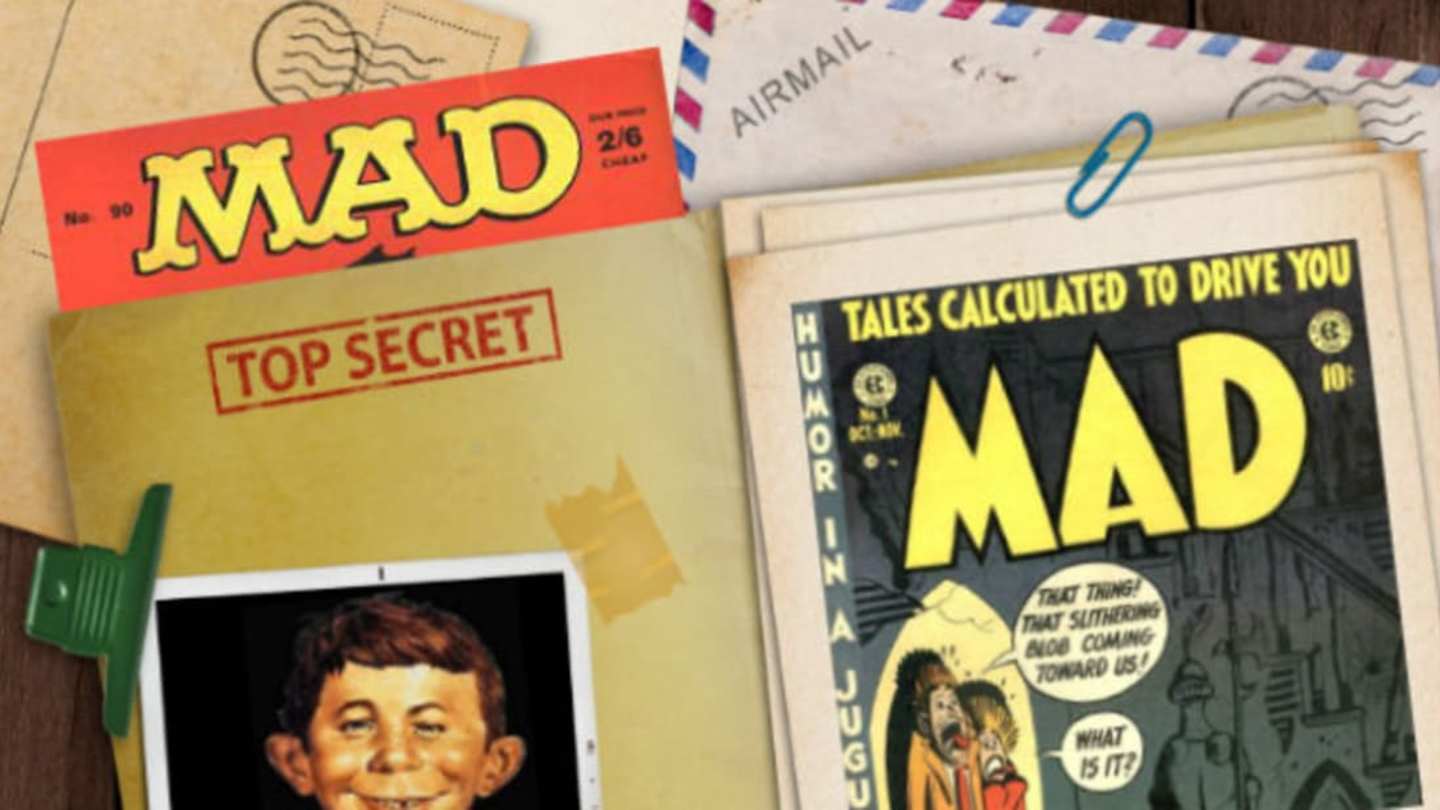
The story of Mad Magazine begins in 1952, born from the inventive minds of editor Harvey Kurtzman and publisher William Gaines. Initially conceived as a comic book under Gaines's EC Comics imprint, Mad quickly carved out a niche with its unique blend of parody and irreverence. It was a revolutionary concept, taking aim at popular culture, advertising, and the very tropes of comic books themselves – a meta-humor that was ahead of its time.
However, the burgeoning comic book industry was soon to face the scrutiny of the Comics Code Authority, a self-regulatory body formed in response to public concerns about comic book content. To circumvent the strictures of the Code, which would have stifled Mad's edgy humor, Gaines made a pivotal decision in 1955: he transformed Mad from a comic book into a full-fledged magazine. This strategic move allowed Mad to bypass the Code's censorship, preserving its freedom to mock and challenge the status quo. It was a bold declaration of independence, establishing a precedent for its future as a boundary-pushing publication.
The transition to magazine format solidified its identity, giving birth to many of its most enduring features. Its distinctive visual style, often employing exaggerated caricatures and absurd scenarios, became instantly recognizable. And of course, no discussion of Mad Magazine is complete without mentioning its unofficial mascot and frequent cover star, Alfred E. Neuman. With his gap-toothed grin and iconic catchphrase, "What, Me Worry?", Neuman became the quintessential symbol of Mad's defiant, playful spirit, embodying a detached, yet perceptive, approach to the world's absurdities.
Unconventional Humor and Legal Battles: The "What, Me Worry?" Philosophy Under Fire
Mad Magazine's history is peppered with instances where its audacious humor landed it in hot water, attracting attention from disgruntled individuals, legal heavyweights, and even federal agencies. William Gaines, with his knack for provocative publishing, often found himself issuing apologies – some sincere, others perhaps less so – for the magazine's stunts.
- The Communist Confession (1953): Early in its run, Gaines published a mock autobiography in the magazine, jokingly describing himself as a "Communist, pyromaniac, and dope dealer." This led to the first of many apologies, this time addressed to newsstand dealers who were understandably concerned about stocking such a publication.
- The FBI's Wrath (1957 & 1961): The Federal Bureau of Investigation, under the notoriously humorless J. Edgar Hoover, paid Mad Magazine not one, but two visits. The first incident in 1957 involved a "draft-dodger card" game, where readers were instructed to request a card from Hoover himself. When three literal-minded readers actually did so, the FBI showed up at Mad's New York offices. Gaines was conveniently absent, but art director John Putnam promised to cease mocking Hoover. Gaines followed up with a letter of apology. Again in 1961, the FBI expressed serious concerns when Mad offered satirical advice on writing an extortion letter, which several kids used as a template. The FBI considered urging the Attorney General to investigate, believing Mad was encouraging federal law violations, though ultimately, their wish wasn't granted.
- The Treasury Department Visit (1967): In a bizarre turn of events, the U.S. Treasury Department visited Mad's offices in 1967 over what was termed "accidental counterfeiting." The specifics were never fully explained, but Mad ultimately faced no legal trouble from the incident.
- The Parody Lawsuit (1960s): Perhaps the most significant legal battle involved legendary songwriter Irving Berlin and others, who sued Mad over joke lyrics printed to be sung to the tunes of famous songs. Mad's defense was a powerful proclamation: parody and satire are deserving of substantial freedom, both as entertainment and as a vital form of literary and social criticism. This landmark case helped solidify the legal protections for parody, underscoring Mad's role in shaping freedom of expression in America.
- The Middle Finger Cover (1974): In a move that truly tested boundaries, the April 1974 issue featured a middle finger on its cover. Predictably, some stores refused to stock it, prompting yet another apology from Gaines to newsstand dealers.
These episodes underscore Mad's commitment to pushing the envelope, even if it meant navigating legal minefields and issuing frequent mea culpas. Their willingness to challenge authority, often with a mischievous grin, cemented their reputation as cultural rebels.
A Counterculture Voice and Evolving Challenges: From 2 Million Readers to Reprint Era
By the early 1970s, Mad Magazine was at the zenith of its influence. With a staggering circulation of over 2 million readers, it was recognized as a vital, often subversive, voice within the burgeoning counterculture movement. Alfred E. Neuman, with his ubiquitous presence, expanded his satirical gaze to encompass pressing national issues, skewering everything from the Vietnam War to the Watergate scandal. Even co-founder Harvey Kurtzman briefly returned in 1985 to lend his comedic genius to a spoof of the action film phenomenon, Rambo.
However, like many print publications, Mad Magazine faced mounting challenges in the late 20th and early 21st centuries. Dwindling circulation figures forced editors to make drastic decisions. One of the most significant shifts involved its long-standing policy on advertising. For decades, Mad proudly ran no ads, a principled stance that allowed it to parody consumerism without profiting from it directly. But in 1994, economic realities necessitated a change, and Alfred E. Neuman begrudgingly began appearing on product promotions within the magazine. By 2001, ads were crucial, helping to fund the magazine's switch to color printing, though circulation had plummeted to around 200,000 copies a month.
Further structural changes occurred in 2018 when the magazine moved its offices from New York to Burbank, California, alongside parent company DC Entertainment, leading to a numbering reset. Despite these efforts, the print landscape continued to evolve rapidly. In 2019, DC Entertainment made the difficult decision to effectively cease publishing new issues. While subscribers and comic book stores still receive "new" issues, starting with issue 11 in October 2019, these largely comprise articles pulled from previous editions, featuring only new cover art. The sole exception for fresh content is its special end-of-year issue, alongside continued publication of Mad books and special collections. This pivotal change marked the end of an era for original weekly content, signaling a new, more reflective phase for the storied publication. Its enduring impact, however, continues to be explored in articles like Years of Satire: Mad Magazine's Unforgettable Impact.
The Enduring Legacy of Mad Magazine
Despite its transition to a largely reprint model, Mad Magazine's place in the bedrock of contemporary American comedy is assured. Its sharp wit, innovative visual gags, and fearless approach to satire influenced generations of comedians, writers, and artists, from Jon Stewart to "Weird Al" Yankovic. Features like the spy-versus-spy comic strips and its iconic back-cover fold-in are not just memorable; they've become part of the cultural lexicon, demonstrating Mad's unparalleled creativity and lasting appeal.
Mad Magazine didn't just make people laugh; it taught millions to question, to be skeptical of authority, and to see the inherent absurdities in the world around them. It democratized satire, making sophisticated social and political commentary accessible to a mass audience, often disguised within silly jokes and exaggerated cartoons. Its wild journey, marked by confrontations with federal agencies, battles in courtrooms, and a constant reinvention of itself, serves as a testament to the power of humor as a tool for critique and cultural reflection. The spirit of Alfred E. Neuman—ever-present, slightly defiant, and eternally unworried—continues to ripple through the world of humor, reminding us all that sometimes, the best way to understand the madness is to simply laugh at it.