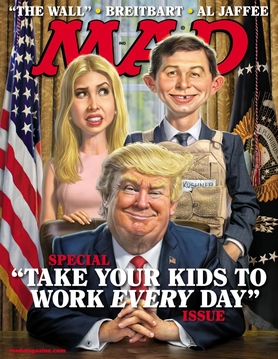
Years of Satire: Mad Magazine's Unforgettable Impact
For over six decades, Mad Magazine has been more than just a humor publication; it's been a cultural touchstone, a satirical compass, and a subversive voice that shaped generations of comedians, writers, and critical thinkers. From its humble beginnings as a comic book to its eventual transformation into a magazine, Mad carved out a unique niche by fearlessly skewering pop culture, politics, and the absurdities of everyday life. Though its publishing model has evolved in recent years, Mad Magazine's unforgettable impact on American comedy and free speech remains as sharp and relevant as ever.
The Genesis of Irreverence: Mad Magazine's Early Days
The story of Mad Magazine began in 1952, born from the fertile and irreverent minds of editor Harvey Kurtzman and publisher William Gaines. Initially conceived as a comic book under the EC Comics umbrella, it quickly distinguished itself with a brand of humor that was unlike anything else on the newsstands. While other comics offered heroic tales or gruesome horror, Mad offered parody – a weapon it wielded with unmatched precision.
This early incarnation saw Mad taking aim at popular comic book genres, subverting their tropes with hilarious results. However, a pivotal shift occurred in 1955 when, to circumvent the restrictive Comics Code Authority and its censorship, Mad transitioned from a comic book to a magazine format. This strategic move was brilliant; it liberated Mad from the code's iron grip, allowing its creators to delve into even more provocative and unrestricted satire. This freedom became the bedrock of its legendary run, enabling it to critique everything from advertising to politicians without fear of reprisal from industry censors. The magazine format also broadened its appeal, allowing it to reach an older, more discerning audience ready for its sophisticated brand of wit.
Pushing Boundaries: Controversies, Legal Battles, and the Fight for Free Speech
Mad Magazine didn't just entertain; it provoked, challenged, and often infuriated. Its commitment to unbridled satire frequently landed it in hot water, making it a reluctant champion of free speech. The magazine's history is peppered with instances where its humor was deemed too provocative, too subversive, or simply too "mad" for polite society.
One of the most significant confrontations arose in the 1960s when songwriter Irving Berlin and others sued Mad over its parody lyrics of popular songs. Mad's defense was powerful: it argued that parody and satire were deserving of substantial freedom, not just as entertainment but as a vital form of literary and social criticism. This wasn't merely a legal battle; it was a philosophical stand that underscored Mad's belief in the importance of its work. The outcome largely affirmed its right to parody, setting a precedent that benefited countless future satirists.
Government agencies also found themselves in Mad's crosshairs. In 1957, the FBI, led by the formidable J. Edgar Hoover, visited Mad's New York offices after the magazine published a game inviting readers to request a "draft-dodger card" from the director himself. A few literal-minded readers did just that, prompting federal interest. Publisher William Gaines was a master of the contrite apology, often issuing letters expressing regret while undoubtedly relishing the stir his publication caused. This wasn't an isolated incident; in 1961, the FBI expressed concern when Mad offered satirical advice on writing an extortion letter, and in 1967, the U.S. Treasury Department investigated an "accidental counterfeiting" incident. These anecdotes, while humorous in retrospect, highlight the genuine impact and sometimes unsettling power that Mad's particular brand of humor held over authority figures. To delve deeper into these fascinating confrontations, you can read more in From FBI Raids to Alfred E. Neuman: Mad Magazine's Wild History.
Even its covers could ignite controversy. The April 1974 issue, featuring a prominent middle finger, led some stores to refuse to stock it. These incidents, far from deterring Mad, only solidified its reputation as a publication willing to push the envelope, challenging readers and institutions alike to question the status quo.
The Cultural Lexicon: Iconic Features and Enduring Influence
Beyond its controversies, Mad Magazine became an indispensable part of the cultural landscape through its memorable characters and innovative features. Many elements introduced by Mad have become so ingrained that they are synonymous with American humor itself.
- Alfred E. Neuman: Mad's gap-toothed, red-headed mascot, with his perpetually cheerful question, "What, Me Worry?", became the face of youthful irreverence. Alfred E. Neuman wasn't just a mascot; he was a versatile icon, gracing covers as everyone from a presidential candidate to a pop star, satirizing everything from the Vietnam War to Watergate with a knowing grin. His image perfectly encapsulated the magazine's spirit of detached, amused observation in the face of chaos.
- Spy vs. Spy: This timeless, wordless comic strip, featuring identical black and white spies perpetually trying to outwit and destroy each other, was a brilliant allegory for the Cold War and any absurd conflict. Its elegant simplicity and consistent humor made it a fan favorite and a lasting symbol of clever visual storytelling.
- The Mad Fold-In: Invented by Al Jaffee, the back-cover fold-in was a stroke of genius. Readers were instructed to fold the page in a specific way, revealing a hidden, often hilariously subversive, image and punchline. This interactive element made the reader complicit in the joke, a unique experience that fostered a deeper engagement with the magazine's humor. It was not just a gag; it was an artistic and conceptual triumph.
Mad Magazine's influence extended far beyond its pages. It was a vital voice in the counterculture movement of the 1970s, reaching a staggering circulation of over 2 million readers. Its parodies of consumerism, media sensationalism, and political hypocrisy resonated deeply with a generation questioning authority. Countless comedians, writers, and artists, from Jerry Seinfeld to "Weird Al" Yankovic, have cited Mad as a primary influence, crediting it with fostering their sense of humor and critical perspective. Mad didn't just make people laugh; it taught them *how* to laugh at the powerful, the pompous, and the absurd, equipping them with the vital skill of looking beyond the surface.
Navigating the Modern Era: Challenges, Changes, and a Lasting Legacy
Like many print publications, Mad Magazine faced significant challenges in the 21st century. Changing media consumption habits and declining newsstand sales led to a gradual decrease in its once-massive circulation, dropping from millions to around 200,000 copies a month by the early 2000s.
These financial pressures necessitated difficult decisions. Historically, Mad famously shunned advertising, a principled stance that allowed it to lampoon consumer culture without hypocrisy. However, in 1994, this long-standing policy was reversed, and by 2001, ads helped fund its transition to full-color printing. While practical, it marked a philosophical shift for a magazine that had always prided itself on its independence.
In 2018, after moving offices, Mad reset its numbering, signaling a new chapter. However, the most significant change arrived in 2019 when parent company DC Entertainment announced that Mad Magazine would largely cease publishing new content. Moving forward, "new" issues would primarily feature new cover art wrapped around reprints of classic articles, with only a special end-of-year issue containing entirely fresh material. The magazine is now sold exclusively via subscriptions and comic book stores, no longer gracing newsstands.
This shift represents a new era for Mad, but it certainly doesn't diminish its monumental legacy. While the frequency of new satirical material has decreased, the decision to publish curated reprints ensures that Mad's timeless humor and groundbreaking artistry continue to be accessible to new generations. Its extensive back catalog, now available in various collections and books, is a treasure trove of cultural commentary that remains remarkably relevant. Mad Magazine, in its unique way, continues to hold a mirror up to society, reflecting our foibles and follies with unparalleled wit. For a deeper dive into its current operational model, check out Mad Magazine's New Era: Reprints, Subscriptions, and Legacy.
Conclusion
Mad Magazine has traversed decades, adapting to changing times while consistently delivering its signature brand of sharp, anarchic humor. From its early battles for the right to parody to its iconic contributions to the cultural lexicon, it has left an indelible mark on American society. Its fearless approach to satire, its willingness to challenge authority, and its ability to make us laugh at ourselves solidified its place as a true pioneer. Even in its current form, Mad Magazine's legacy endures, reminding us that laughter, especially when directed at the powerful and the absurd, is a potent and necessary force. Its impact is a testament to the enduring power of wit, proving that a little bit of "madness" can indeed change the world.