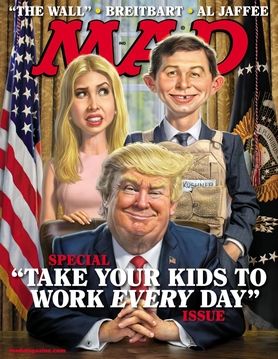
Mad Magazine's New Era: Reprints, Subscriptions, and Legacy
For decades, Mad Magazine has been a cornerstone of American humor, a subversive voice that taught generations to question authority and laugh at the absurdities of life. When news broke in 2019 that the iconic publication would cease producing new content, it sent ripples of dismay through its loyal readership. However, the reality of Mad Magazine's "new era" is far more nuanced than a simple cessation. It's a strategic evolution, embracing a future built on its rich past: a world of curated reprints, exclusive subscriptions, and a continued commitment to its unparalleled legacy.
Far from disappearing, Mad is transforming into a living archive, offering a deep dive into over 67 years of groundbreaking satire. This shift not only ensures the magazine's survival in a challenging print landscape but also provides an invaluable opportunity for both veteran fans and new readers to explore the comedic genius that defined an era.
The Evolution of an Icon: From Newsstands to Curated Collections
The announcement in 2019 marked a significant turning point for Mad Magazine. After the release of issue nine (following a numbering reset in 2018), the publication effectively exited newsstands. From then on, new issues—starting with issue eleven—would feature new cover art but comprise articles and features pulled exclusively from its extensive back catalog. The only truly "new" content going forward would be its special end-of-year issue, a cherished tradition that offers a glimpse of contemporary wit. Distribution pivoted dramatically as well, becoming exclusively available via subscriptions and through specialty comic book stores.
This strategic move, orchestrated by parent company DC Entertainment, reflects the broader challenges faced by print publications in the digital age. Rather than fighting a losing battle for newsstand space and diminishing returns, Mad Magazine chose to leverage its most valuable asset: its history. This approach allows the magazine to:
- Preserve its Archival Treasure: With decades of material, Mad possesses a goldmine of satire that remains remarkably relevant. Reprints ensure these timeless pieces aren't lost to time.
- Introduce Classics to New Audiences: Young readers, or those who discovered Mad later in life, now have an accessible way to experience its formative years and understand its immense cultural impact.
- Curate Thematic Collections: The reprint model opens doors for themed issues, compiling the best political parodies, movie spoofs, or signature features like Spy vs. Spy, offering fresh perspectives on familiar content.
- Ensure Sustainability: By streamlining content production and distribution, Mad can operate more efficiently, securing its future even without weekly or monthly new content cycles.
The decision to switch to a subscription-focused model also cultivates a dedicated community. Subscribers are not just buying a magazine; they are investing in the continuation of a comedic institution, ensuring that Alfred E. Neuman's grinning visage continues to challenge the status quo for years to come.
A Legacy Forged in Laughter and Rebellion
Founded in 1952 by the visionary duo Harvey Kurtzman and William Gaines, Mad Magazine quickly transcended its comic book origins to become a vital force in American humor. It was more than just a funny periodical; it was a school of thought, teaching generations to critically dissect pop culture, political rhetoric, and societal norms through the lens of parody and satire. Many of its most famous features have indelibly etched themselves into the cultural lexicon, from the iconic gap-toothed mascot Alfred E. Neuman, whose "What, Me Worry?" motto perfectly encapsulated the magazine's irreverent spirit, to the timeless Cold War antics of Spy vs. Spy, and the ingenious interactive back-cover fold-in.
Mad’s commitment to pushing boundaries often put it at odds with establishment figures and even government agencies. As highlighted in From FBI Raids to Alfred E. Neuman: Mad Magazine's Wild History, its history is dotted with controversies: from copyright lawsuits filed by titans like Irving Berlin (which Mad staunchly defended as artistic parody) to multiple visits from the FBI over provocative content like a "draft-dodger card" game or mock extortion letters. The magazine even drew the attention of the U.S. Treasury Department over an accidental counterfeiting incident. These encounters, while often tense, only solidified Mad's reputation as a fearless commentator, unafraid to mock power or challenge conventional thinking.
By the early 1970s, Mad Magazine boasted a circulation of over two million readers, solidifying its role as a vital voice in the burgeoning counterculture movement. Alfred E. Neuman, often depicted on covers, took on everything from the Vietnam War to the Watergate scandal, becoming a satirical mirror to America's conscience. While the magazine famously eschewed advertising for decades to avoid the hypocrisy of parodying consumerism while profiting from it, dwindling circulation eventually necessitated a pragmatic shift. Ads were introduced in the 1990s, helping to fund its transition to color printing in 2001, even as monthly sales dropped to around 200,000.
This rich and often tumultuous history, full of artistic innovation and defiant humor, is precisely what the new reprint model celebrates. Each issue becomes a curated journey through humor history, allowing readers to rediscover the daring wit that made Mad Magazine legendary.
Why Mad Magazine Still Matters in the 21st Century
In an age saturated with information, misinformation, and fleeting digital trends, the enduring relevance of Mad Magazine is more apparent than ever. While the format has changed, the core principles of satire and critical thinking that Mad championed remain vital. The reprints are not merely nostalgic artifacts; they are potent reminders that human folly, political absurdity, and pop culture fads are cyclical. What was hilarious in 1970 often resonates with surprising accuracy today.
- Timeless Humor: Whether it's a parody of a Cold War-era spy movie or a spoof of a classic sitcom, Mad's humor often tapped into universal human experiences and archetypes that transcend specific eras.
- A Masterclass in Critical Thinking: Mad Magazine taught its readers to look beyond the surface, to question advertising claims, political speeches, and celebrity personas. It nurtured a healthy skepticism that is arguably more necessary today than ever before.
- Influence on Modern Comedy: The impact of Mad on comedians, writers, and artists is immeasurable. Its unique brand of humor paved the way for shows like Saturday Night Live, The Simpsons, and countless satirical news programs. Exploring its archive reveals the roots of much contemporary comedy. You can learn more about its wide-ranging influence in Years of Satire: Mad Magazine's Unforgettable Impact.
- The Value of the Curated Archive: The new subscription model transforms Mad Magazine into a dynamic educational tool. Each issue offers a window into how satire evolved, how culture shifted, and how the magazine consistently held a mirror to society.
For those looking to subscribe, the process is straightforward, ensuring that this treasure trove of American humor continues to reach dedicated fans. Collectors and casual readers alike can delve into special collections and books that DC Entertainment continues to publish, further cementing Mad's place in history.
Mad Magazine's "new era" isn't an ending but a fascinating transformation. By embracing its legacy through curated reprints and a focused subscription model, the magazine ensures that its unparalleled humor and incisive satire continue to thrive. It remains a powerful testament to the enduring power of laughter as a tool for critique, reminding us all, with a mischievous grin, to always ask, "What, Me Worry?"